

Гидроабразивная очистка (обработка абразивной суспензией) — бережное воздействие на поверхность
Когда вода и абразивный материал для струйной обработки работают в сочетании
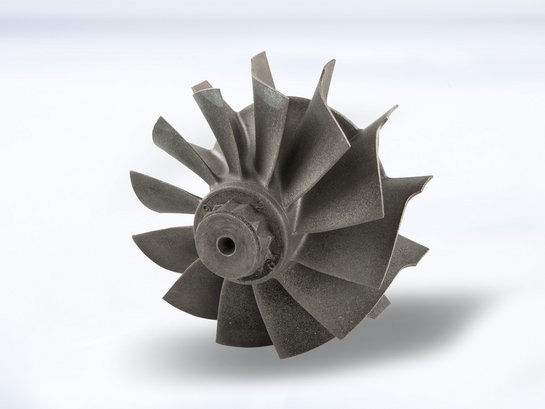
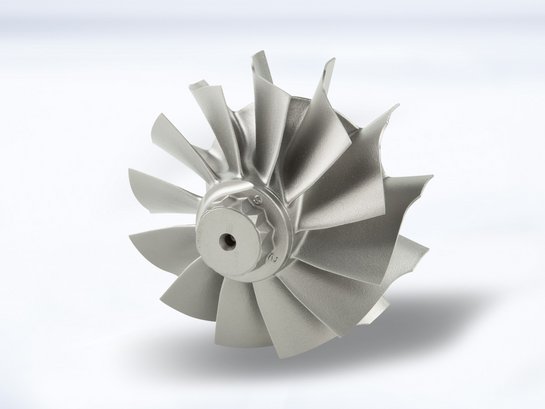

Гидроабразивная очистка — особенно щадящий метод обработки поверхности. В его основе лежит совместное воздействие сжатого воздуха, воды и абразивного материала для струйной обработки, направленного непосредственно на обрабатываемые заготовки и детали. Метод эффективно удаляет загрязнения и формирует заданное состояние поверхности, не повреждая основной материал.
Вода выполняет сразу несколько функций: она объединяет процесс дробеструйной обработки («пескоструйной» или сухой струйной обработки) с очищающим эффектом, обеспечивает равномерное распределение абразивного материала для струйной обработки, проникает в мельчайшие трещины и одновременно смягчает удары абразива, действуя подобно амортизирующей подушке. Благодаря этому съём материала сводится к минимуму: вода гасит энергию ударов, что позволяет выдерживать жёсткие допуски на обрабатываемых заготовках.
Метод особенно хорошо подходит для формирования легко очищаемых поверхностей, бережной очистки заготовок, а также для достижения эстетически привлекательного качества поверхности.
Где гидроабразивная очистка применяется наиболее эффективно?
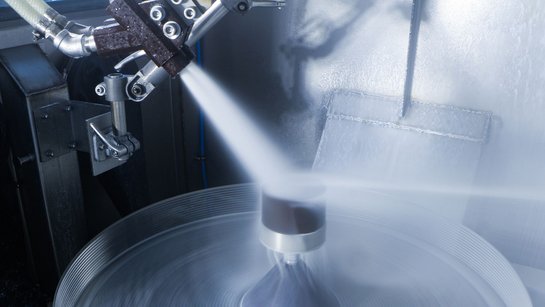
Гидроабразивная очистка особенно хорошо подходит для обработки чувствительных и прецизионно изготовленных металлических заготовок. Течение воды по поверхности заготовки создаёт своеобразный шлифующий эффект. Однако данный метод не только щадящий, но и экономически выгодный: благодаря амортизирующему водяному слою между заготовкой и абразивным материалом для струйной обработки потребление абразива при гидроабразивной очистке существенно снижается. Поскольку пылеобразование и связанные с ним загрязнения исключаются, появляется возможность применять абразивные материалы весьма мелких фракций.
Для обеспечения особенно равномерного результата обработки и высокого качества поверхности управление струйным соплом в установках Rösler для гидроабразивной очистки, как правило, осуществляется промышленным роботом или системой ЧПУ. Загрузку и разгрузку мы также адаптируем индивидуально под требования вашего производства — при необходимости с реализацией различных вариантов автоматизации.
Часто задаваемые вопросы — всё, что необходимо знать о гидроабразивной очистке
С помощью компрессора вырабатывается сжатый воздух, который в смеси с водой и абразивным материалом для струйной обработки подаётся на деталь. Используемый абразивный материал непрерывно регенерируется, что обеспечивает чистый и ресурсосберегающий процесс дробеструйной обработки. Уловленные загрязнения и отработанный абразивный материал для струйной обработки после завершения процесса подлежат сепарации и надлежащей утилизации.
При гидроабразивной очистке к абразивному материалу для струйной обработки добавляется вода. Эта смесь снижает энергию удара абразива, уменьшает съём материала и предотвращает пылеобразование. В результате формируются особенно равномерные поверхности, обработанные с минимальным воздействием на материал.
- Бережная обработка чувствительных заготовок
- Беспыльная и чистая рабочая среда
- Сниженное потребление абразивного материала для струйной обработки
- Совмещение очистки и финишной обработки поверхности
- Возможность применения абразивных материалов мелких фракций
Метод особенно подходит для чувствительных или прецизионно изготовленных заготовок — в частности, имплантатов, компонентов турбин и двигателей, ювелирных изделий, инструментов, а также деталей для медицинской техники, авиационно-космической отрасли и точной механики. Нержавеющая сталь особенно хорошо поддаётся обработке методом гидроабразивной очистки: при этом формируется поверхность, отвечающая высоким требованиям к очистке и дезинфекции в медицинской и пищевой промышленности.
В зависимости от требуемого результата используются, в частности, стеклянные бусины, керамические шарики или мелкие фракции корунда. Благодаря водяной подаче возможна работа с абразивными материалами весьма мелких фракций, которые при сухой дробеструйной обработке трудно поддаются управлению. Ключевым условием эффективности гидроабразивной очистки является правильный подбор абразивного материала для струйной обработки, его концентрации, объёма воды и давления воздуха.
Вода обеспечивает равномерное распределение абразивного материала для струйной обработки и формирует заданное состояние поверхности с лёгким глянцевым эффектом. Кроме того, включения абразива в поверхность сводятся к минимуму, а заготовка очищается от остатков и загрязнений.
Первые установки для гидроабразивной очистки были разработаны в 1960-х годах для обработки высокочувствительных компонентов авиационной промышленности.
В настоящее время метод применяется, в частности, для формирования прецизионных поверхностей имплантатов, ювелирных изделий, компонентов двигателей, режущих и металлорежущих инструментов — в авиационно-космической отрасли, медицинской технике и инструментальном производстве.
Да. Поскольку в процессе обработки пыль не образуется, а вода связывает отделяемые частицы, нагрузка на окружающую среду в рабочей зоне значительно снижается. Помимо этого, сокращается потребление абразивного материала для струйной обработки, что способствует рациональному использованию ресурсов.
Метод гидроабразивной очистки может также применяться для уплотнения и упрочнения поверхности в тех случаях, когда поверхности особенно чувствительны, а традиционные методы дробеструйного упрочнения (shot peening) оказывают слишком интенсивное воздействие.
Используйте Поиск решения, чтобы найти подходящую систему для вашего метода обработки.