
Ensuring precision, durability and operational safety
In the military and defense industry, precision, durability and reliability are essential. The extreme operating conditions – from high mechanical stress to exposure to corrosive substances – place the highest demands on every component. Whether firearms, armor-plated vehicles, aerospace parts or naval equipment: all must ensure exceptional strength, resistance and operational safety.
Mass finishing and shot blasting processes play a key role in surface finishing and component preparation. Their targeted effects ensure that components of military systems meet strict specifications and comply with the highest standards in terms of precision, corrosion protection, fatigue strength and reproducibility.
Key requirements in the military and defense sector
Components used in defense systems are exposed to extreme stresses caused by high forces, chemical influences and significant temperature fluctuations. Their durability must always be guaranteed and therefore has top priority in the production process. As such, finishing processes must enhance the material’s ability to withstand these demanding conditions without wearing out prematurely.
Shot blasting and mass finishing prepare surfaces for subsequent treatments such as protective coatings, which increase the resistance of components in challenging environments – for example, on the battlefield, at sea or in aerospace applications.
Precision is another crucial factor in the manufacture of military components. Defense systems such as high-precision weapon and airborne systems require components with exact tolerances and flawless surface quality. Mass Finishing ensures smooth and uniform surfaces free of irregularities, while shot blasting removes surface contaminants that could impair subsequent treatments. The consistent precision of these processes guarantees optimal performance of all military components – without compromising safety or functionality.
Ensuring high corrosion resistance is of critical importance in the defense sector – particularly for components exposed to maritime or aerospace environments. Surface treatment processes such as shot blasting improve corrosion resistance by preparing surfaces for anti-corrosive coatings. This is essential to extend the lifespan of military components exposed to harsh conditions such as seawater, desert sand or other corrosive environments. The improved surface texture achieved through these processes enhances coating adhesion and thus ensures long-term protection against rust and other forms of corrosion.
Fatigue resistance is equally important – especially for parts subjected to constant mechanical stress. Components used in defense applications, such as aircraft or armor-plated vehicles, undergo repeated load cycles. Poor surface quality can lead to cracks and material failure over time. Shot peening – a form of shot blasting – introduces compressive residual stresses into the material surface, counteracting the tensile stresses responsible for crack propagation. By improving fatigue resistance, these technologies help extend the service life of critical defense components.
Applications
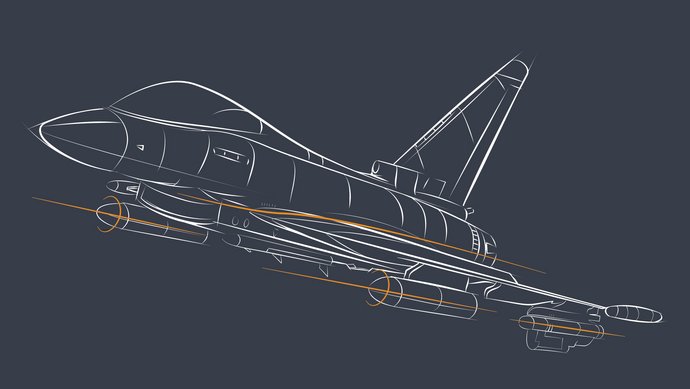
Airborne Systems / Air Force
Structural components, landing gear, turbine blades and even drone parts must be free from contaminants and properly prepared for protective coatings. Optimal surface finishing through mass finishing and shot blasting provides the required smoothness, reduces friction, improves aerodynamics and enhances fatigue resistance.
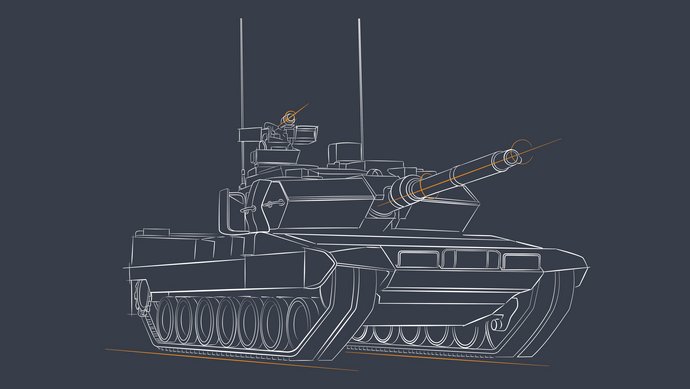
Armor-plated Vehicles
Components such as tracks, chassis and armor plates gain significant fatigue resistance through shot peening. By introducing compressive stresses into the material, shot peening prevents premature failure of critical vehicle parts.
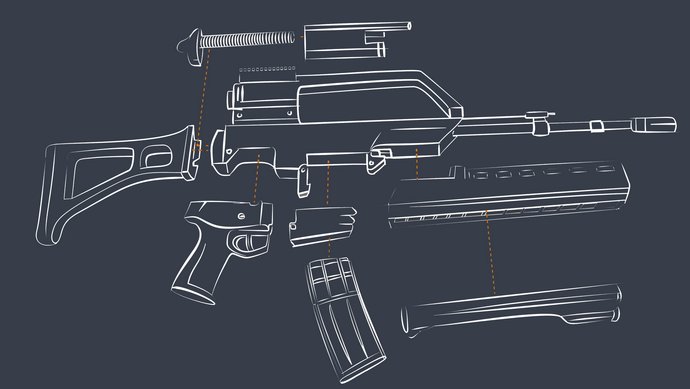
Firearms / Handguns
The components of small arms such as pistols and rifles must meet the highest standards of surface quality to ensure the smooth operation of their mechanical systems. Coatings of all kinds, as well as targeted surface densification, can be achieved through shot blasting and mass finishing.
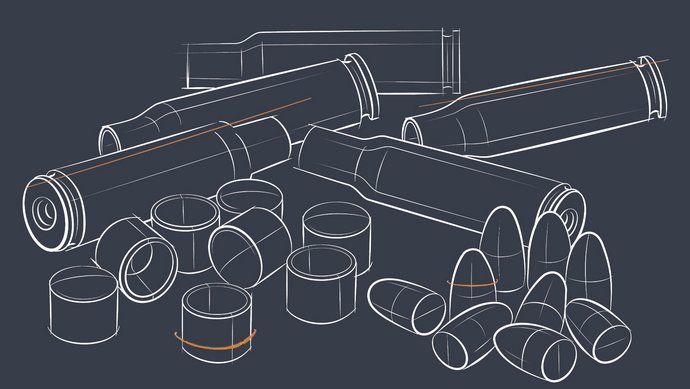
Ammunition / Cartridges
Ammunition components go through numerous production steps such as cleaning, de-greasing, pickling, passivating or polishing – processes particularly well suited to mass finishing. For large-caliber ammunition and projectiles, shot blasting is the preferred method, for example to roughen surfaces and ensure optimal adhesion of paints or coatings.
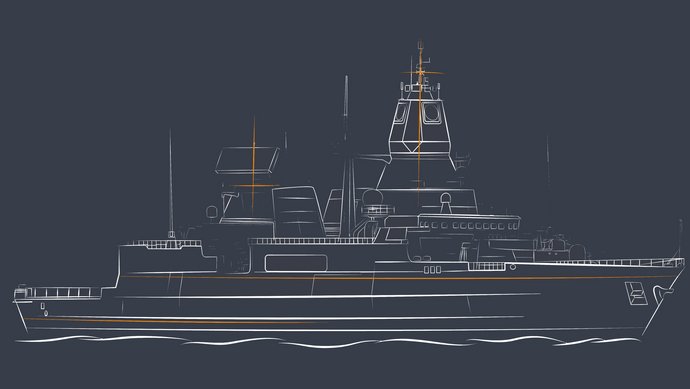
Navy / Shipyard
Propellers, hulls and other ship components must be cleaned and roughened to improve the adhesion of corrosion protection coatings. Without this pretreatment, components would rust and deteriorate quickly, significantly reducing their service life.
The advantages of mass finishing and shot blasting over alternative methods
Shot blasting and mass finishing processes are indispensable for components in the military and defense industry – whether as final finishing processes or as intermediate steps prior to coating. As in other industrial sectors, these surface treatment technologies stand out for their efficiency and cost-effectiveness, as large quantities can be processed quickly and with high scalability. In an industry where manual labor is still common, the high level of automation and efficiency achievable with mass finishing and shot blasting can make a decisive difference.
But beyond being cost-effective, shot blasting and mass finishing are also technologically superior solutions for surface treatment in the defense field.
Manual processing of defense components remains widespread but is laborious, time-consuming and expensive. Moreover, manual polishing cannot achieve reproducible results. The greatest challenge, however, is the shortage of skilled workers – well-trained personnel for such repetitive and physically demanding tasks are increasingly hard to find, particularly in industrialized countries.
Surface treatment methods such as electroplating or chemical processing can improve corrosion resistance but often do not enhance fatigue strength. They are also less effective in reducing surface roughness or preparing components for subsequent treatments – factors that are crucial for mechanically stressed parts. These methods are also less suitable for large-scale cleaning or stress-relief applications.
Laser and thermal processes have their own limitations as well: they are not always suitable for preparing surfaces for protective coatings, especially for large defense components. Mass finishing and shot blasting provide a more comprehensive approach to surface preparation – they not only clean and smooth surfaces but also enhance durability and optimally prepare parts for further treatment.
Conclusion
Shot blasting and mass finishing are ideally suited for processing all types of military and defense components – from small cartridge cases to parts for tanks and aerospace systems. The wide range of processing possibilities, combined with the high cost-effectiveness and automation potential of these technologies, makes them superior to many competing finishing methods. Virtually all equipment and processing systems used in conventional surface finishing can also be applied in the defense industry.