Solution Finder
SOLUTION FINDER

Ihr Wegweiser durch die
Rösler-Produktwelt

Mit nur wenigen Klicks finden Sie die richtige Maschine fĂŒr Ihre Belange!

Ergebnisse: 237 Artikel - 54 Produkte

Mass Finishing Machine Settings Series, Part 1 – Improve Machine Function with Proactive and Responsive Observation, Calibration

Even if the finishing media and compound/water are managed perfectly, without a well-functioning machine a mass finishing process is doomed to fail. Focusing on a few essentials will ensure that a mass finishing machine is performing as intended. From machine settings to preventative maintenance and troubleshooting tips, Rosler has the experience and insight to keep mass finishing machines running efficiently. The Right Machine Settings The speed at which a machine is running is critical to the success of a finishing process. If the machine is running too slow, the finishing results, deburring/edge radiusing , surface grinding , etc., might not be achieved at all or only after excessively long processing times. If the machine is running too fast, the work pieces may be damaged by scratching, nicking, or bending. Excessive speeds will also cause the media to wear much faster without the benefit of shorter cycle times. Beyond speed, other machine settings must be taken into consideration based on the specific machine type. Rosler's R 420 EC vibratory tub machine with media Vibratory The energy required to move the media and part mix in a rotary , tub , or linear continuous flow vibrator is created by the vibratory motor and imbalance weights. As such, the motor speed, setting of imbalance weights, and the mass of imbalance weights are adjusted to match the processing needs. Rosler's FKS centrifugal disc machine from above Centrifugal Disc Finishing Rotation of the spinner in the bottom of the processing bowl produces energy needed to accelerate the media and parts batch in a centrifugal disc finishing machine . The speed of the drive motor and the ribs on the spinner should be regularly evaluated to ensure effective energy transfer. Rosler's R6/1000 with automatic loading robot Drag Finishing Within a drag finishing machine , the movement of the fixtured parts through the stationary media mass is powered by the rotation of the carousel, work station(s), and, sometimes, individual work station spindles. The speed of each component as well as the angle of the work stations determine the intensity of the process. Immersing the part deeper in the mass increases the processing intensity. Rosler's R 1-1 TSA plunge finishing machine Plunge Finishing In a plunge finishing machine , the fixtured part moves in relation to the static media. The motion is driven by the eccentric spindle rotation and rotational and/or vertical oscillation. The rotational speed of the motor driving the spindle(s) as well as the frequency and amplitude of the oscillation determine the processing intensity. As with drag finishing, immersing the part deeper in the mass increases the processing intensity. Rosler's surf finishing machine Surf Finishing Also referred to as spin finishing, surf finishing machines rely on a rotating processing bowl with the media and a stationary work piece holder to introduce the required energy for the finishing process. The parts are fixtured to the work piece holders on a robot arm or a slowly rotating spindle. Possible points of adjustment and evaluation include the rotational speeds of the processing bowl. The angle of the work piece holder and the immersion depth also affect the processing intensity. A six-axis robot can provide almost infinite degrees of process intensity for different areas of the same part. Regardless of the machine type, correctly connecting the motor drive is vital. The rotational direction of the motor is one of the main causes for a poorly running process after a machine has been repaired or moved to a new location. Such a small mistake can have disastrous results by completely ruining a mass finishing process. Preventive Maintenance As with any other manufacturing operation, preventive maintenance will allow you to achieve consistent, high‐quality results with your mass finishing equipment. Operator manuals usually provide detailed guidelines for properly maintaining your equipment. Reputable machine producers will provide preventive maintenance checklists with a quick overview of the essential equipment and process aspects. If regularly checked, these steps will ensure that the desired finishing results are consistently achieved without any unnecessary equipment downtimes. In addition, the checklists provided by Rosler also include valuable pointers for managing the grinding and polishing media levels as well as the compound and water flow rates. Troubleshooting Tips Optimal interaction between equipment, media, compound, and water are the key to achieving good mass finishing results. Small changes in the surface condition of the raw work pieces (for example, an oil change in a stamping operation), use of a different compound and/or different media, use of a different water source with harder or softer water, a poorly calibrated compound dosing pump, plugged machine drains, the wrong wiring of a drive motor, the wrong motor speed, incorrectly set imbalance weights, and a number of other factors can drastically impact a mass finishing process. For situations where the finishing results are no longer what they are supposed to be, machine manufacturers can provide a checklist of troubleshooting tips and suggestions as to what might have gone wrong. Qualified service and process technicians can also provide an assessment of your system. The Rosler Way With more than 80 years of experience, Rosler has extensive knowledge in identifying ideal setting configurations as well as developing the machines themselves. Contact us to discuss your machine needs and issues, both proactive and reactive. The Mass Finishing Settings & Imbalance Weights Series will continue with, “Part 2 – Determine Imbalance Weight Settings for Consistent Results.” Sign up for enews alerts to follow the Rosler Blog and be notified of new posts!

Non-Foaming Plastic Media Optimizes Finishing Process

While the optimization of mass finishing processes mostly focuses on the machinery utilized, Dörfler & Schmidt PrĂ€zisionsfinish GmbH (Dörfler & Schmidt) has shown that a simple shift such as using a different media can create significant process optimization. By switching to a new, non-foaming plastic media from Rosler , the post-processor achieved improved process stability, productivity, and efficiency. Meeting Varied Needs Founded in 1998, Dörfler & Schmidt offers a wide range of surface finishing including deburring , edge radiusing, surface smoothing and polishing , creating matte and textured finishes, descaling , and cleaning . The family-owned business located in Kammerstein, Bavaria, works with automotive , machinery building, electronics, medical engineering , jewelry , and a variety of consumer goods customers. “We have to deal mostly with requests for deburring and edge radiusing,” said Dörfler & Schmidt Management Assistant Felix Dörfler. “For example, on tools like milling tools and cutting inserts we have to create a precise edge radius. “Other work pieces, such as bearing rings, must have precisely defined surface roughness readings after the finishing operation while jewelry and accessories must have an optically pleasing finish.” Work piece materials range from metal, plastic, and ceramic to glass and wood in dimensions as little as a fraction of an inch (a few mm) up to 25 in (60 cm). Working with a Proven Partner Dörfler & Schmidt operates 33 different machines capable of handling a broad range of different mass finishing and shot blasting technologies. “To handle various work piece materials, we employ different process water cleaning and recycling systems,” Dörfler said. “For this purpose, we are utilizing five centrifuges , which, like the overwhelming majority of our mass finishing equipment, were supplied by Rosler.” When it comes to consumables , Dörfler & Schmidt primarily uses Rosler products as well. “The consistently high quality of the Rosler media and compounds, as well as the excellent process development support and optimization by their Customer Experience Center , are just a few reasons why we’ve relied on solutions from Rosler right from the beginning,” Dörfler said. The Situation “For the deburring and edge radiusing 40-mm-long stainless steel wire segments, we need an excellent grinding performance with a high metal removal rate,” Dörfler said. “However, foaming during the finishing process created a buffer between the work pieces and the media, reducing the grinding effect. “Therefore, the desired finishing results could no longer be achieved within the prescribed cycle time,” he said. In addition to Prolonged cycle times and an inability to separate media from finished work pieces after processing, the foaming issue was even carried over to the process water cleaning system, where foam seeped out of the centrifuges, soiling the system itself and the immediate environment. A Smart Solution The extent of foaming issues largely depends on the hardness of the process water and can often be remedied with special additives. When the company’s Rosler Sales Agent learned of the problem, he recognized that additives weren’t effective and suggested the newly developed “N” series of non-foaming plastic media from Rosler. Dörfler & Schmidt subsequently joined a select group of companies who tested the new media series. Since the non-foaming media version is identical to standard plastic media in identical shapes, sizes, and grinding performances, it could be swapped in without finishing process modifications. The Results More than a year later, Dörfler & Schmidt is still using the non-foaming media. Impressive results are achieved within the prescribed cycle time and separation issues have also been resolved. The media switch also greatly simplified the monitoring of the finishing process. Eliminating the need for reprocessing significantly improved the process’ overall cost-efficiency and extended the usable life of the process water, reducing the consumption of additives and contributing to increased sustainability. “We have been using the non-foaming media in two machines, and we have found that the grinding performance and the wear rate are absolutely identical with the standard version,” Dörfler said. “The new media helped us to make our processes more cost-efficient without affecting the quality of the finishing results. “For this reason, we will switch more plastic media types to the non-foaming version.” The Rosler Way All standard Rosler plastic media varieties have been available in non-foaming “N” versions since 2021, adding to the more than 15,000 equipment and consumable products we offer. Contact us today to discuss your mass finishing challenges and our solutions!

Wet Blasting Equipment & Media, Part 5 – Careful Media Selection, Additive Use Impact Results 

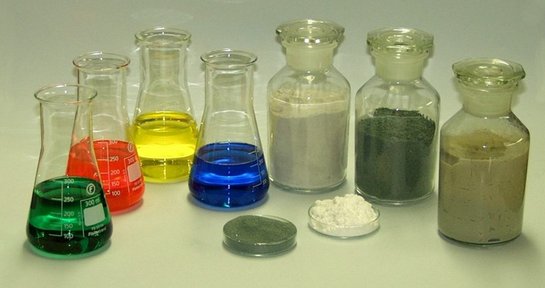
Wet blasting and dry shot blasting often use similar media to achieve the desired processing result. Unlike dry blasting that only uses a solid abrasive media, wet blasting processes use a slurry of water with the shot blasting media. This greatly cushions the impact energy on the work pieces, providing gentler, yet effective results for delicate work pieces. The achieved surface finish and appearance will also differ between wet and dry processes, even when the same media type and size are used. With more than 80 years of experience worldwide, Rosler can supply both the machines and media best suited for your wet blasting needs. Common Media Types As long as it is heavier than water and not water soluble, practically any media used for dry blasting can be used for wet blasting. It is important to consider the usefulness of the media compared to its cost. While a cheaper or longer-lasting media may be available, it may also require additional processing time to accomplish the desired surface finishing. Selecting the most appropriate media for your process requires balancing initial costs with overall results. Common types of wet blasting media include (top, from left) brown, white, and pink fused aluminum oxide; glass beads, ceramic beads, (bottom, from left) stainless steel shot, stainless steel grit, and polycarbonate beads. The most common wet blast media include: Brown, white, and pink fused aluminum oxide – Widely used for blast cleaning, this media type’s hardness makes it ideal for surface cleaning and paint preparation. Glass beads – Useful in wet cleaning and light peening applications, glass beads can also be used for light deburring and cosmetic blasting. Ceramic beads – This media’s high bulk density produces a higher impact intensity than glass beads and is useful for general surface cleaning and shot peening. The spherical beads provide a bright matte finish. Stainless steel shot – While useful in special cleaning and shot peening applications, this media type is not suitable for non-ferrous, soft metals. Stainless steel grit – The high bulk density and angular shape of this media produces an excellent cleaning effect, but is not suitable for non-ferrous, soft metals. Polycarbonate beads – This media is useful for very gentle cleaning applications and cosmetic blasting. Water Additives Rosler offers a wide selection of additives and compounds. The addition of certain chemical additives to the process water will support the wet blasting process and help extend the usable life of the process water. Popular additives in wet blasting processes include: Degreasing compounds – These surfactants chemically augment the mechanical cleaning effect of the wet blast process. They are only applicable when the work pieces are covered with grease or oil. Heavy contamination must be removed before wet blasting. Corrosion protection compounds - Such compounds provide temporary corrosion protection for a few days on ferrous work pieces. Biocides – These additives prevent bacterial contamination of the process water/slurry. During downtimes and inactivity such as the holidays or weekends, bacteria grows more easily. The addition of a biocide prevents such contaminations and allows process water to be used for longer periods of time before being replaced with fresh water. Flocculants – Used for augmenting the cleaning effect of centrifuges, flocculants aid in the removal of contaminants from the process water by encouraging contaminates to “floc” or group together, making the larger pieces of debris easier to remove for the system. Water hardeners - If very soft water is used (< 70 mg/L or 4.2 grains per gallon), foaming in the wet blast machine and the filtration system can become an issue. In such cases, a water hardener is useful in eliminating and/or avoiding issues. The Rosler Way As the utilization of wet blasting increases, Rosler reminds manufacturers to review their traditional, dry shot blasting applications and consider if wet blasting could provide additional efficiencies, reduced costs, and better results. We have extensive experience in wet blasting. Whatever your challenges are, we are confident that we can deliver a solution. Contact us to discuss your needs today! The complete Wet Blasting Equipment & Media series includes: Part 1 – “Machines Range in Complexity, Uses.” Part 2 – “Technical Components Combine for Systematic Success.” Part 3 – “Maintain Slurry Concentrations for Finishing Consistency.” Part 4 – “Internal Cleaning, Rebuilds Prolong Machine Lifetime.” Part 5 – “Careful Media Selection, Additive Use Impact Results.”
RHBD 22/27-F Strahlkammer

Linde MH setzt auf HĂ€ngebahn-Durchlaufstrahlanlage in robuster Gießerei-AusfĂŒhrung

Linde Material Handling (MH) ein weltweit fĂŒhrender Hersteller von Gabelstaplern und LagertechnikgerĂ€ten sowie Anbieter von Dienstleistungen und Lösungen fĂŒr die Intralogistik. Mit einem Vertriebs- und Servicenetzwerk in mehr als 100 LĂ€ndern ist das Unternehmen in allen wichtigen Regionen der Welt vertreten. In Weilbach fertigt der Warenumschlagspezialist Gegengewichte fĂŒr das umfangreiche Angebot an Gegengewichtsstaplern. Mit neuer Strahlanlage Optimierungspotenziale ausschöpfen Linde MH strebt kontinuierlich nach einer Verbesserung seiner Fertigungsprozesse. In enger Zusammenarbeit mit der Rösler OberflĂ€chentechnik GmbH optimierte ein Projektteam den logistischen Materialfluss und die FlexibilitĂ€t bei der Bearbeitung von unterschiedlichen Gabelstaplergegengewichten (kurz GGW). Mit der Vorgabe einer optimierten FlĂ€chennutzung, setzt die Fa. Rösler kompetent, mit einem maßgeschneiderten Konzept einer HĂ€ngebahn-Durchlaufstrahlanlage RHBD 22/27-F , neue MaßstĂ€be in der Gießereibranche. Vollautomatischer, fertigungsintegrierter Betrieb mit hoher FlexibilitĂ€t Durch die neu strukturierten ProzessablĂ€ufe erfolgt eine optimierte Übergabe der unbearbeiteten Rohgussteile an einem gekennzeichneten Ablageort vor der Einlaufkabine. Mittels manueller Positionierung und Freigabe erfolgt der Teiletransport mit einem Power & Free-Fördersystem. Je nach Bauteiltyp werden spezifische Strahlparameter sowie auch Parameter des Fördersystems hinterlegt. Nur so ist zu gewĂ€hrleisten, dass das GGW metallisch rein mit gleichmĂ€ĂŸiger OberflĂ€chen-Rauigkeit gesĂ€ubert wird, sowie eine haptisch gleichmĂ€ĂŸig wirkende Strukturierung der GussteiloberflĂ€che, welche nach dem Lackieren noch deutlich den Gusscharakter erkennen lĂ€sst, wiederholbar wird. All diese Prozessparamater wurden mit einem dafĂŒr bestimmten, speziellen Strahlmittelbetriebsgemisch definiert. RHBD 22/27-F in Gießerei-AusfĂŒhrung Am neuen Standort im Werk wurde die neue Strahlanlage nach den örtlichen Vorgaben realisiert. Auf engstem Raum und fĂŒr die Wartung zugĂ€nglich, wurde die StrahlmittelsandrĂŒckfĂŒhrung unter der Strahlanlage ausgefĂŒhrt. Der abfallende und angehĂ€ufte Formsand, welcher am Ablage- und Übergabeort der GGW anfĂ€llt, wurde ebenfalls zur RĂŒckfĂŒhrung in die Strahlmittelaufbereitung integriert. Der Sand wird vor der Einlaufkabine der Querrutsche zugefĂŒhrt. Diese befördert das Material auf die SandĂŒbergaberinne, welche anschließend den zugefĂŒhrten Sand der GGW und den Sand aus der Einlaufkabine auf die RĂŒckfĂŒhrrinne unter der Einlaufkabine ĂŒbergibt. Von der RĂŒckfĂŒhrrinne findet eine Übergabe auf die zentrale Siebrinne der Strahlkabine statt. Am Auslauf der Strahlanlage fördert ein Flachförderboden Sand- und Strahlmittelreste ebenfalls zu der zentralen Siebrinne unter der Strahlkabine. Die Siebrinne scheidet dabei gröbere Sandknollen, Grate und metallische Flitter zuverlĂ€ssig ab und fĂŒhrt diese einem gießereitechnischen Z-Förderband zu. Von der Siebrinne ĂŒber Becherwerk wird das Strahlmittel-/Sandgemisch dem Separationssystem mit hohem Abscheidegrad zugefĂŒhrt. Die zuverlĂ€ssige Reinigungsleistung ĂŒber einen zweistufigen Magnetseparator mit pneumatischer Nachsichtung gewĂ€hrleistet einen störungsfreien Betrieb und reduziert den Verschleiß der Gesamtanlage. Nach der manuellen Positionierung des GGW am Teile-Transportwagen der Power & Free-Förderanlage werden die Rohgussteile durch die einzelnen Anlagenteile - Einlauf-, Strahl- und AuslaufgehĂ€use - getaktet. Neben der Taktzeitoptimierung durch eine 3-Kammer-Strahlanlage wurde zudem eine weitestgehende Minimierung von Strahlmittel-Sand und austretenden Staubverlusten in die direkte Hallenumgebung erreicht. Das eigentliche HerzstĂŒck der Anlage ist die Strahlkammer mit fĂŒnf angeordneten Strahlturbinen. Der Strahlraum, gefertigt aus verschleißfestem Hartmangan X120Mn12, ist zusĂ€tzlich mit 25 mm dicken, auswechselbaren, verschleißbestĂ€ndigen Chromgussplatten ausgekleidet. Die gesamte Strahlanlage ist ĂŒber ein großzĂŒgiges Wartungspodest mit Treppenaufstieg sehr wartungs- und bedienerfreundlich. Ziele erreicht Durch die neu konzipierte HĂ€ngebahn-Durchlaufstrahlanlage sind die vorgegebenen Ziele eines technisch und ökonomisch optimierten Gesamtprozesses Strahlen & Handling der Linde MH erreicht. Wiederholbare QualitĂ€tsanforderungen der GGW-Bauteile durch neudefinierte Strahlparameter, Strahlbild- und Verschleißoptimierung ergeben schlussendlich eine Optimierung im Prozess der Strahltechnik sowie Effizienzsteigerungen durch das optimierte Strahl- und Materialflusskonzept im Werk.

Wet Blasting Equipment & Media, Part 4 – Internal Cleaning, Rebuilds Prolong Machine Lifetime  

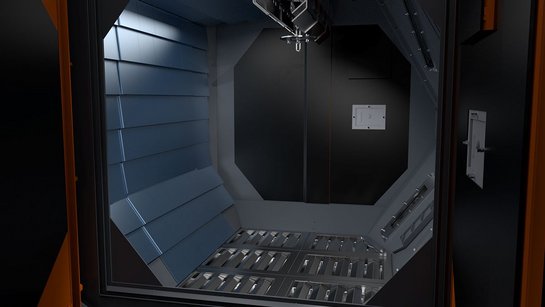
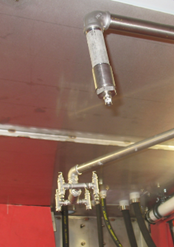
While highly effective in a number of applications and industries, wet blasting can be a messy process. Unlike dry shot blasting which produces dust, wet blasting generates a mix of media, dirt, and debris mixed with water mist. If this water/particle mix is not removed properly the machine itself may be soiled to the point that it cannot be used. Mist which escapes the machine can also cause health hazards to personnel and other equipment in the area. Rosler builds its wet blasting machines with usability and safety in mind, factoring in precautions and cleaning functions to prolong the machine’s use and ensuring a clean, safe work environment. Internal Cleaning Rinse systems flush out contaminants including dirt, broken down media, and oil from the blast cabinet. After each blast cycle the inside of the wet blast machine must be cleaned by completely rinsing it down with clean water. High-pressure spray nozzles are installed to rinse the wet blasting machine’s viewing window. During the blast cycle and as needed, high-pressure spray nozzles rinse off any dirt from the viewing window. Water mist from processing as well as the internal cleaning process is continuously removed from the blast cabinet by a suction fan equipped with a filter which removes contaminants from the water. Rebuilding Established Systems Blast machines are often a considerable investment for companies. When these highly specialized and high-investment pieces of equipment start to show signs of wear and underperformance, expert surface finishing companies such as Rosler can help prolong the life and effectiveness of your investment by repairing and rebuilding a machine instead of replacing it. Cost is often the biggest factor considered when rebuilding a blasting machine. Generally, rebuilds offer shorter turnaround times than buying a new machine. Rebuilds also come with the added benefit of not needing to integrate a new process since the process already includes a proven shot blasting process. The Rosler Way We have the experience and expertise to meet your wet blasting needs. Rosler partners with you to find a better way, the best machine, and the best finishing results. Contact us today to discuss your unique challenges. Previous posts in the Wet Blasting Equipment & Media series include: Part 1 – “Machines Range in Complexity, Uses.” Part 2 – “Technical Components Combine for Systematic Success.” Part 3 – “Maintain Slurry Concentrations for Finishing Consistency.” The final post will be: Part 5 – “Careful Media Selection, Additive Use Impact Results.” Sign up for enews alerts to be notified of new posts!

Automotive Manufacturer Partners with Rosler for Fast Processing, Long Wear Life

True to our “finding a better way
” motto, Rosler partnered with thyssenkrupp AG to create a continuous flow shot blasting operation for the fastest crankshaft forge shop in the world. World renowned for its drive trains, chassis, and automobile manufacturing equipment, the automotive division of thyssenkrupp AG significantly contributes to the technical progress and efficiency of motor vehicles. The thyssenkrupp Gerlach GmbH plant in Homburg, Germany, is a leading partner for the development of automobile engine components, offering a full-service package ranging from component design, prototype fabrication, and full-scale production. Developing a Solution To improve cost efficiency at its Homburg plant and to meet all customer requirements, thyssenkrupp AG installed its high-tech “production line 19” for forged crankshafts for engines with one to four cylinders in 2016. For this line, Rosler developed an innovative shot blast equipment concept known as the Rosler RKWS crankshaft shot blasting system . At the beginning of the manufacturing sequence, bar blanks are cut to length. They are then heated in an induction oven before being shaped in a 6,500-ton press. In the last step, the crankshafts undergo a blast cleaning process in a shot blast machine. Using a unique equipment concept for the final blast cleaning step, Rosler engineers created a system for handling different work piece sizes without time-consuming retooling of the work piece holders. This innovation helped reduce the cycle time to less than 10 seconds, which in turn allowed the manufacturing operation to be run in a continuous flow. The result of the comprehensive cooperation between thyssenkrupp AG, Rosler, and all the other partners created the fastest, most modern crankshaft forge shop in the world capable of producing a finished component for its customers every 7.5 seconds. Crankshaft after surface finishing Delivering Convenience & Longevity Our innovations go beyond world records to provide long-lasting value and dependability. The RKWS system was also designed for long life and easy maintenance. The three blast chambers and the work piece load/unload chamber are arranged in a circle around a rotary drive equipped with an asynchronous servo motor with an extremely high overload reserve. Blast media is accelerated and thrown by Rosler Gamma G blast turbines equipped with a unique Y-shaped throwing blades. Rather than being made of chilled iron castings typically used in conventional turbines, critical wear components of the turbines are made of forged tool steel. This results in a much longer uptime of the throwing blades whose curvature produces a much higher throwing speed than straight throwing blades. In addition, the symmetrical Y design allows the use of both blade sides. The combination of more wear resistant material and the blade geometry result in up to three times longer usable blade life. Another feature of the Gamma G turbines is their easy maintenance. Turning the blades around or exchanging them can be done from the top of the turbine housing without having to dismount the impeller, control cage, and the media inlet tube required with conventional turbines. The RKWS is equipped with 12 Gamma G turbines, each with an installed power of 22 kW. The turbines, evenly placed on the three blast chambers, are capable of throwing the large steel shot onto the entire surface area of the crankshafts with a speed of 80 meters per second. This results in a complete removal of forging scale and other surface contaminants. By utilizing highly wear resistant material for all components exposed to the large cast steel shot and the removed forging scale, the RKWS shot blast system’s external workings are protected from excessive wear. The three blast chambers are lined with wear resistant hardened steel. Media augers are made from special steel that is predominantly utilized in the mining industry. Technical characteristics of this material are its extreme toughness and its remarkable hardness of 600 Vickers providing it with a considerable structural strength. Planning Proactive Maintenance Thyssenkrupp AG’s “production line 19” processes the entirety of the company’s customer orders within 21 shifts per week, posing a considerable organizational challenge for the thyssenkrupp Gerlach GmbH maintenance department. In order to manage time for the equipment upkeep, the maintenance team utilizes a TBM (time-based maintenance) system. Within a pre-determined time span, a recurring time window is defined for all inspection and maintenance activities as well as any required repairs including the replacement of spare parts. The time management allows requisitioning all repair materials in advance and facilitates the effective assignment of the maintenance personnel at thyssenkrupp Gerlach GmbH in Homburg. Stocking Spare Parts Planning certainty for the entire manufacturing line along with consistently high product quality is a high priority at thyssenkrupp Gerlach GmbH. For this reason, essential wear and spare parts for all machines were determined jointly with the equipment suppliers and stocked on-site in Homburg. To define the specific requirements for the crankshaft shot blast machine, the customer relied on the experience of the Rosler service department. Based on the customer specifications, our service experts conducted a risk and wear analysis using an ultra-modern simulation of the blast media recycling process allowing them to determine the wear intensity for every single component. Based on the results of the analysis a comprehensive list of recommended spare parts was prepared including wear parts such as protective wear plates, etc. The Rosler Way Working with an experienced supplier is the best way to develop and maintain a shot blasting operation. From selecting the right type of machine for your needs to suggesting everyday actions to ensure repeatable results and extended uptime, Rosler develops lasting solutions. Contact us to learn how we can put our surface finishing expertise to work for you!
Muldenband-Chargenstrahlanlage

Muldenband-Chargenstrahlanlage fĂŒr die Beschichtungsvorbehandlung Federn

Federn beschichtungsreif sauber strahlen Strahlen ist eine der gĂ€ngigsten Vorbehandlungsmethoden, um die OberflĂ€chen technischer Federn fĂŒr eine Beschichtung vorzubereiten. In einer neu aufgebauten Produktionslinie fĂŒr Druckfedern wird dieser Fertigungsschritt in einer Muldenband-Chargenstrahlanlage von Rösler durchgefĂŒhrt. Die kundenspezifisch ausgestattete RMBC 4.2-HD sorgt in kurzen Taktzeiten fĂŒr beschichtungsreif saubere OberflĂ€chen, wobei eingetragenes Öl gebunden und ĂŒber die Aufbereitung wieder vom Strahlmittel getrennt wird. Die im schweizerischen Ermenswil ansĂ€ssige Baumann Springs Ltd. zĂ€hlt zu den weltweit fĂŒhrenden Herstellern von Federn und Stanzteilen. Das 1886 gegrĂŒndete und heute in der fĂŒnften Generation gefĂŒhrte Familienunternehmen hat sich auf die Entwicklung und Fertigung von kundenspezifischen Lösungen mit engen Toleranzen sowie hohen Anforderungen an die ProzessstabilitĂ€t fĂŒr die Automobilindustrie, den allgemeinen Markt und die Medizintechnik spezialisiert. Die Produktion erfolgt in insgesamt elf Werken in Europa, Asien und Nordamerika. Strahllösung fĂŒr neue Produktionslinie Dazu zĂ€hlt die Niederlassung im tschechischen Karvina – Stare Mesto, in der 2021 eine neue Fertigungslinie fĂŒr lange Druckfedern aus dem Federstahl EN 10270-2 in unterschiedlichen AusfĂŒhrungen aufgebaut wurde. Um die Federn vor der Beschichtung zu reinigen und die OberflĂ€chen aufzurauen, investierte das Unternehmen in die Muldenband-Chargenstrahlanlage RMBC 4.2-HD von Rösler . „Wir haben ĂŒber diese Aufgabenstellung mit mehreren Herstellern gesprochen und uns von dreien entsprechende Anlagen anbieten lassen“, berichtet Claudio Hertig, Project Manager Global Operations bei Baumann Springs. “FĂŒr die Lösung von Rösler sprachen Konzept und Funktionsweise der Anlage. Entscheidend war auch die solide und stabile Bauweise. Um mir davon ein Bild zu machen, habe ich alle drei Hersteller besucht und die Anlagen verglichen. Nicht zuletzt haben auch die guten Erfahrungen mit bereits bei uns vorhandenen Anlagen von Rösler und die globale PrĂ€senz des Unternehmens eine Rolle gespielt.“ Ausgestattet fĂŒr schnelle Prozesse und saubere Ergebnisse Die mit einer Sonderlackierung versehene und kundenspezifisch ausgestattete RMBC 4.2-HD ermöglicht das Strahlen der trommelfĂ€higen Druckfedern als Charge mit einem Gewicht von bis zu 1.000 kg. Dabei sorgen zwei Turbinen Gamma 300G mit einer Antriebsleistung von jeweils 11 kW fĂŒr eine hohe StrahlintensitĂ€t. Die von Rösler entwickelten Hochleistungsturbinen sind mit Wurfschaufeln im Y-Design ausgestattet. Durch die spezielle Form mit berechnetem KrĂŒmmungswinkel wird im Vergleich zu herkömmlichen Turbinen bei geringerem Energieverbrauch eine sehr hohe Abwurfgeschwindigkeit erzielt, aus der eine bis zu 20 Prozent höhere Strahlleistung und dadurch entsprechend kĂŒrzere Strahlzeiten resultieren. DarĂŒber hinaus ermöglicht das Wurfschaufel-Design, sie von beiden Seiten zu nutzen. Es wird dadurch eine mindestens doppelte Standzeit erreicht. Der Wechsel kann mittels Schnellwechselsystem einfach und bei eingebauter Turbine erfolgen. Einen Beitrag zur intensiven und schnellen Bearbeitung leisten auch die integrierten Strahlmittelabweiser. Diese speziellen DruckluftdĂŒsen versetzen das Strahlmittel zusĂ€tzlich in Bewegung. Über eine automatische Strahlmittelzuflussregelung kann die Strahlmittelmenge teilespezifisch eingestellt und ĂŒberwacht werden. Die Strahlmittelnachdosierung erfolgt ebenfalls automatisch. Über ein zusĂ€tzliches automatisches Dosiersystem kann unabhĂ€ngig vom Strahlmittel ein pulverförmiges Reinigungsmedium zur Bindung von an den Teilen anhaftendem Öl in den Strahlraum zudosiert werden. Über die Windsichtung der Strahlmittelaufbereitung wird das Pulver wieder vom Strahlmittel getrennt. Da geplant war, die bei der Beschichtung der Federn eingesetzten WerkstĂŒcktrĂ€ger auch in der Strahlanlage zu entschichten, ist der Trockenfilter explosionsgeschĂŒtzt ausgefĂŒhrt. Lange Standzeit durch optimalen Verschleißschutz Um Betriebsunterbrechungen durch verschleißbedingten Maschinenstillstand zu minimieren, ist der Innenraum der Strahlkammer mit 6 mm starken, widerstandsfĂ€higen Manganstahlplatten ausgekleidet, die einfach auswechselbar sind. Links und rechts neben dem Auswurf der Turbinen befinden sich zusĂ€tzliche Verschleißschutzplatten. Sie begrenzen die Streubreite des Strahlmittelstrahls und verhindern dadurch, dass das GehĂ€use in diesem Bereich durch Strahlmittel angegriffen wird. DarĂŒber hinaus verbessert eine PU-Beschichtung der ebenfalls aus Manganstahl gefertigten Mittelscheiben den Verschleißschutz im direkten Strahlbereich. Dies trĂ€gt ebenfalls zu einer langen Standzeit bei. „Die große Erfahrung von Rösler beim Bau solcher Maschinen ist ein Vorteil, der zu hoher Effizienz beitrĂ€gt. Außerdem haben wir durch den globalen Service die Möglichkeit, auch in anderen Werken mit identischen Prozessen und Anlagen zu arbeiten und diese lokal warten zu lassen“, merkt Claudio Hertig an.

Mass Finishing Process Water, Part 2 – Maintain Adequate Drainage to Protect Your System

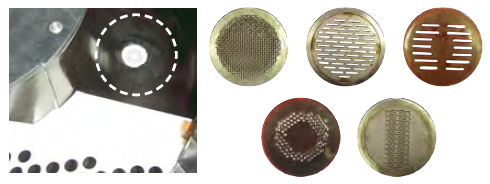
Numerous functions and calibrations factor into developing a precise and stable mass finishing process. From media and compounds to work piece characteristics and processing times, successful finishing requires each process aspect to be carefully monitored and evaluated. When it comes to process water flow rates, poor drainage from the machine can cause quality control issues as well as equipment damage and costly downtime. While simple in their function, drains play an integral role in regulating the flow of process water out of the machine. With the exception of intentional “flooding” of the process bowl for sharp work pieces, the same amount of compound and water entering the machine must be flushed out again. Otherwise, contaminants in the form of dirt, media, metal fines, and, frequently, oil will accumulate in the process water. Since this buildup can cause the finishing process to deteriorate and even collapse, mass finishing machines must have sufficient drainage! With more than 80 years of experience, Rosler can expertly design mass finishing technology and troubleshoot issues to protect your system for the life of the machine. Machine Features Most mass finishing machines, including rotary and tub vibrators and drag‐ , plunge‐ , and surf‐finishers have special drainage screens built into their work bowls. High-energy centrifugal disc finishing machines differ since the “dirty” process water is evacuated through the gap between spinner and work bowl. Drain types used in rotary vibrators. Made from plastic such as polyurethane or stainless steel material, these drains must allow process water and media debris to be flushed from the system while retaining usable media mix and the work pieces. Machines utilizing small media, including steel media for ball burnishing or pressure deburring , always require more drains since small media has a much higher water retention rate than large media. Regardless of the media size, drains can be easily plugged with media debris, flashes from die castings, small metal pieces, etc., and it is essential to make sure that the drains are regularly inspected and cleaned. Drain for undersized media seperation in the work bowl. Manual Evaluation Taking action to prevent process failure, machine damage, and costly repairs and downtime will improve process results and machine longevity. To ensure proper process water drainage: Make sure that the work bowl of your mass finishing machine contains enough drains. If additional drains are needed, they can be easily installed while the work bowl is being relined. Alternatively, a suction pump can be installed for faster evacuation of the process water, if needed. Regularly inspect the machine drains and make sure that they are in good condition, functioning properly, and removing debris appropriately. Install drains with bigger or differently shaped holes if plugging occurs. The Rosler Way Working with an experienced supplier is the best way to develop and maintain a mass finishing operation. From selecting the right type of machine for your needs to suggesting everyday actions to ensure adequate drainage, Rosler develops lasting solutions. Contact us to learn how we can put our surface finishing expertise to work for you! The complete Mass Finishing Process Water Series includes: Part 1 – Understand When to Balance Flow or Flood the Process Bowl . Part 2 – Maintain Adequate Drainage to Protect Your System .